
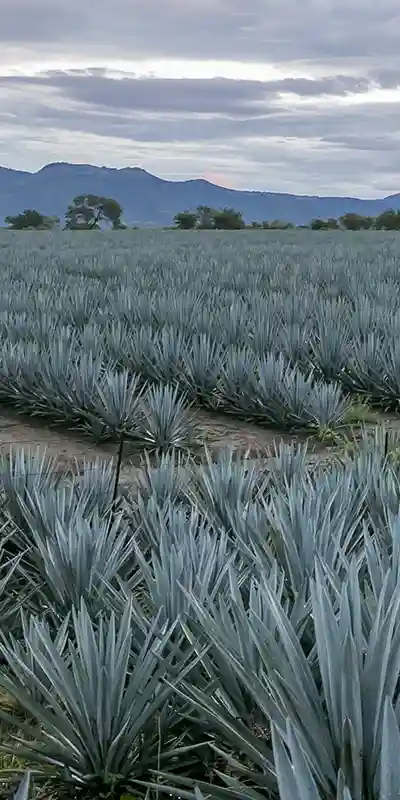
CULTIVATION
The tequila process starts with small agaves planted and grown for 5–7 years. They’re weeded, pruned, and benefit from rain. No watering needed.
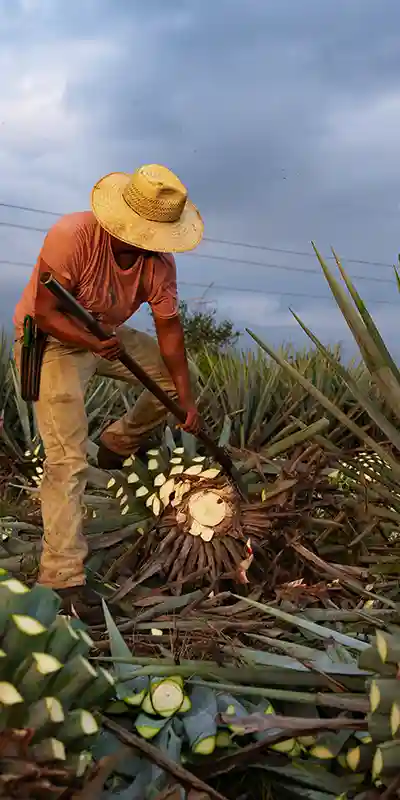
JIMA (HARVEST)
Once the agave is mature, its leaves are cut off and the piña is removed using a coa. A jimador can harvest up to 3,000 kg in a day.

COOKING
The piñas (Agave heads) are placed in masonry ovens or steel containers (autoclaves) where the steam softens their texture and their starches become sugars suitable for fermentation. This process can take 50 to 72 hours when it is done in a masonry oven, or 8 to 14 hours if it is done in an autoclave.
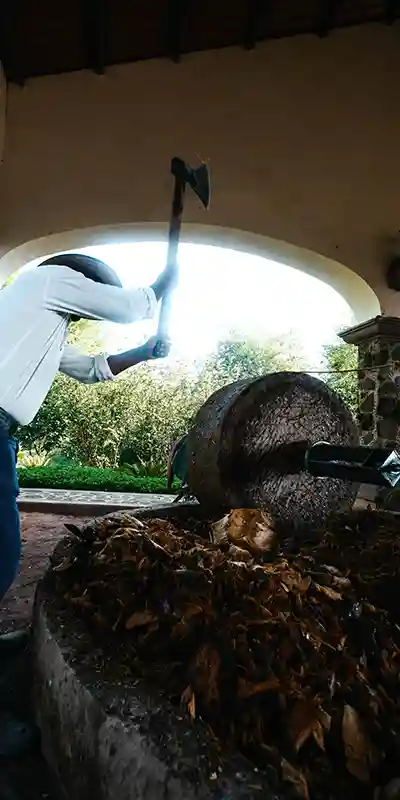
EXTRACTION
In this stage, the cooked piñas are pressed to obtain their sugars and, through the injection of pressurized water, a fermentable juice is made. This process has gone through several changes, from the use of the "tahona" or mill stone to the modern diffuser.
Immediately after this, the category of the Tequila is determined by defining the percentage of agave sugar and/or other natural sugars to be used.
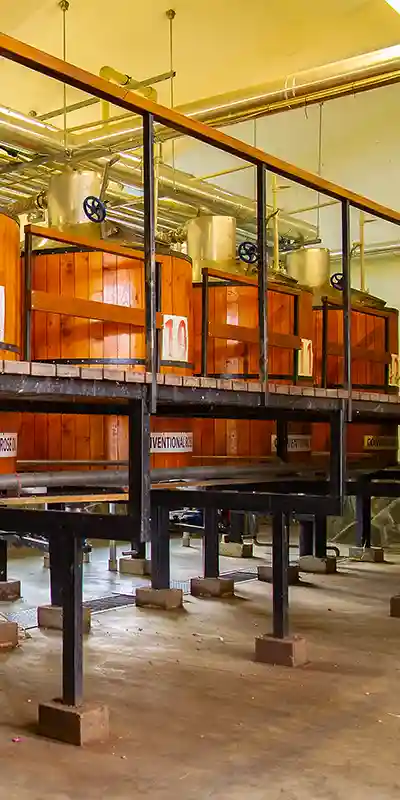
FERMENTATION
The yeast transforms the sugars, turning them into alcohol. The type of yeast used and the nutrients added to determine the flavor and characteristics that Tequila will have. Fermentation usually takes 24 to 72 hours
DISTILLATION
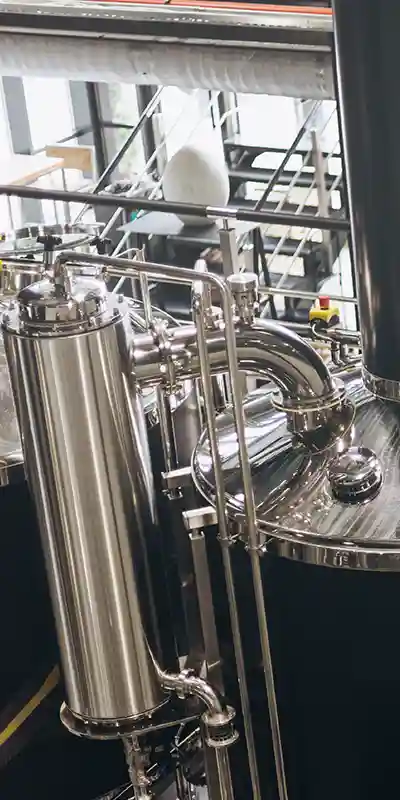
The fermented juices are distilled twice in pot stills or in distillation towers. From the "destrozamiento" (the first distillation), a liquid with an alcohol level of nearly 20% is obtained and put through the "rectificación" (the second distillation), which raises its alcohol level. The result is a clear, colorless liquid, already considered tequila.
MATURATION
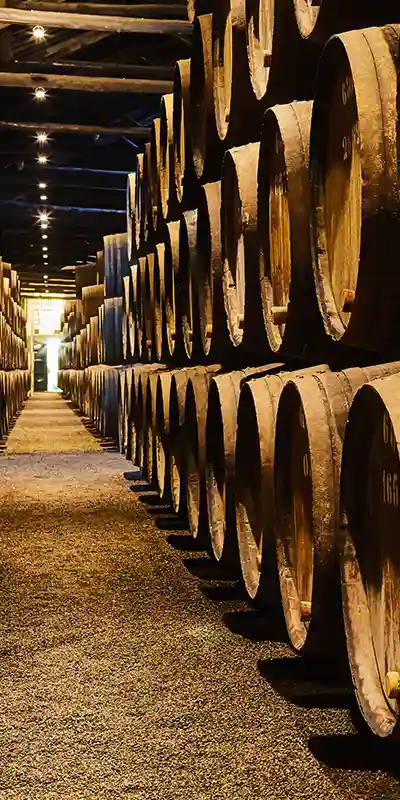
Tequila can be stored in white oak barrels, which are vats also called "pipones" which acquire elements from the wood. The treatment through which these containers were put or the prior uses they were given will also influence the final characteristics of the tequila.
BOTTLING
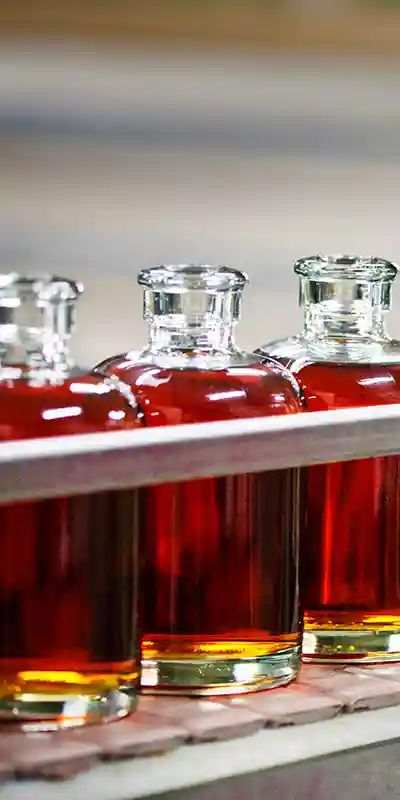
Tequila is filtered and its alcohol content is adjusted to a commercial level similar to that of most spirit drinks around the world, and it is then put in bottles that feature a great assortment of sizes, shapes, and designs